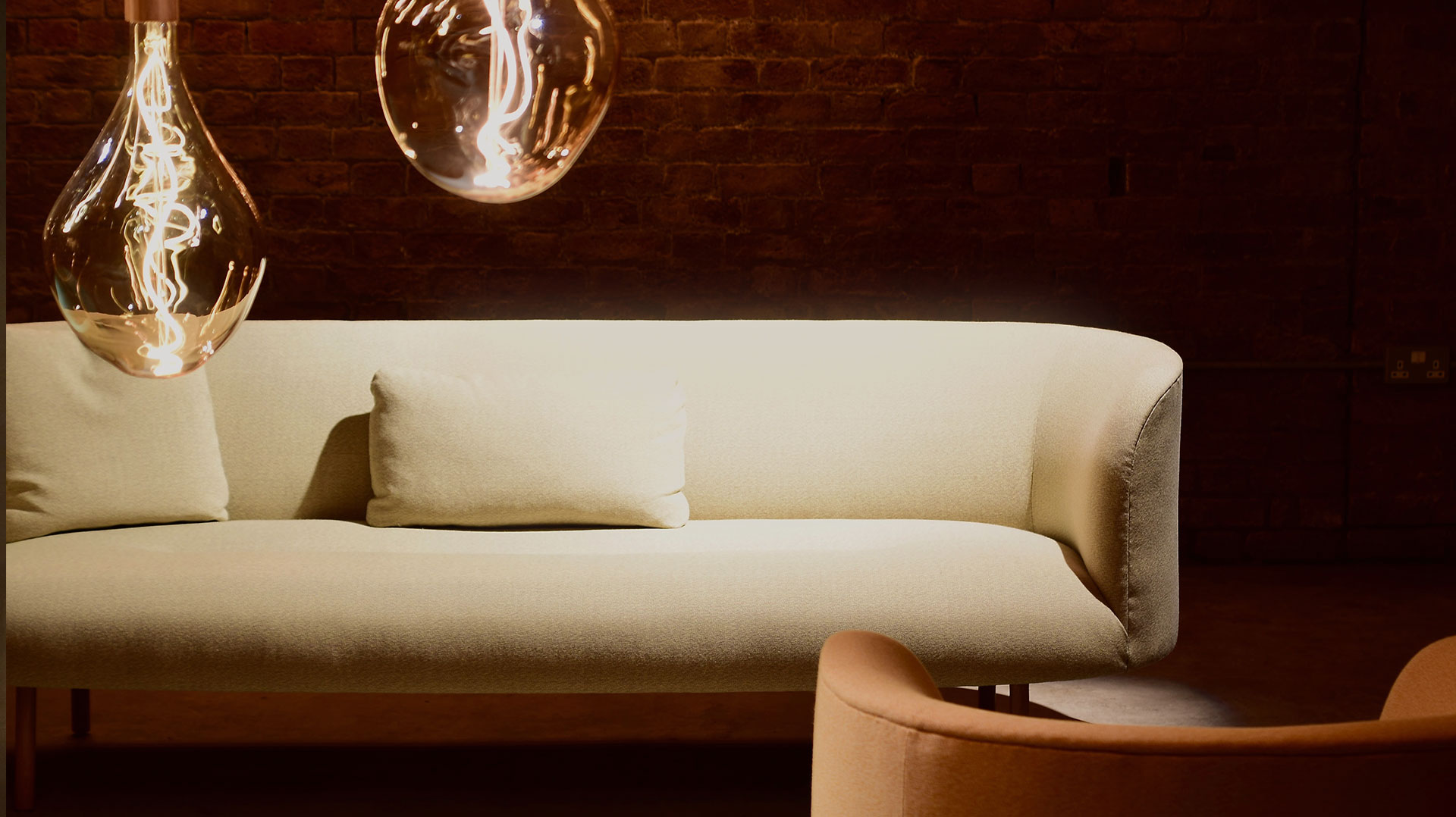
How to choose the right sofa
The sofa is undoubtedly the centerpiece of every living room — it’s where you relax after a long day, it’s where you welcome your friends, it’s where you watch your favorite movie, and it’s where you often fall asleep without even realizing it. That’s why choosing the right sofa is not just a matter of aesthetics, but also of everyday comfort, durability, and functionality. Before you rush to buy the first one that catches your eye, it's worth taking the time to think about what you really need. How many people usually sit in the living room? Do you have pets or small children? Do you want something modern and minimalist or something more classic and huggable? The answers to these questions will lead you in the right direction, so that the final choice will satisfy you for many years.
“A good sofa is not just a piece of furniture — it is the point where home life comes together, moments become memories, and everyday life finds its peace. Choose it with the same care you would choose a house within your own home.”
The first thing to consider is the size of your space. A huge corner sofa may look great in a store, but in a small apartment it will suffocate the space and make it difficult to move around. Conversely, a very small sofa in a large living room will look wasted and will not serve your needs. Carefully measure the space, note where windows, doors, and other furniture are, and make sure you leave enough room to move around freely. A very useful trick is to use tape on the floor to outline the sofa before you buy it — this way you get a real idea of how it will fit.
The upholstery material is also important. If you have children or pets, you may want a durable and easy-to-clean fabric, such as microfiber or leather. If you prefer something warmer and cozier, fabric covers in cotton or linen give a more relaxed feel, but require more care. Don’t forget to check the sofa’s frame as well — a wooden frame made of hardwood, such as beech or oak, guarantees greater durability compared to softer, cheaper woods.
the secret of the right proportion
The ratio between seat depth, back height, and cushion firmness is what will determine whether you truly enjoy your sofa or whether you simply tolerate it. The ideal seat depth is between 50 and 60 centimeters — enough for you to sit comfortably without feeling like you're sinking or your legs are dangling. The back should support your lower back without forcing you to sit too upright or too reclined. Always try out the sofa before you buy it — sit, lie down, change positions. If you can, stay on it for at least ten minutes in the store, because first impressions can be deceiving. A sofa that seems comfortable in the first few seconds may turn out to be tiring after half an hour.
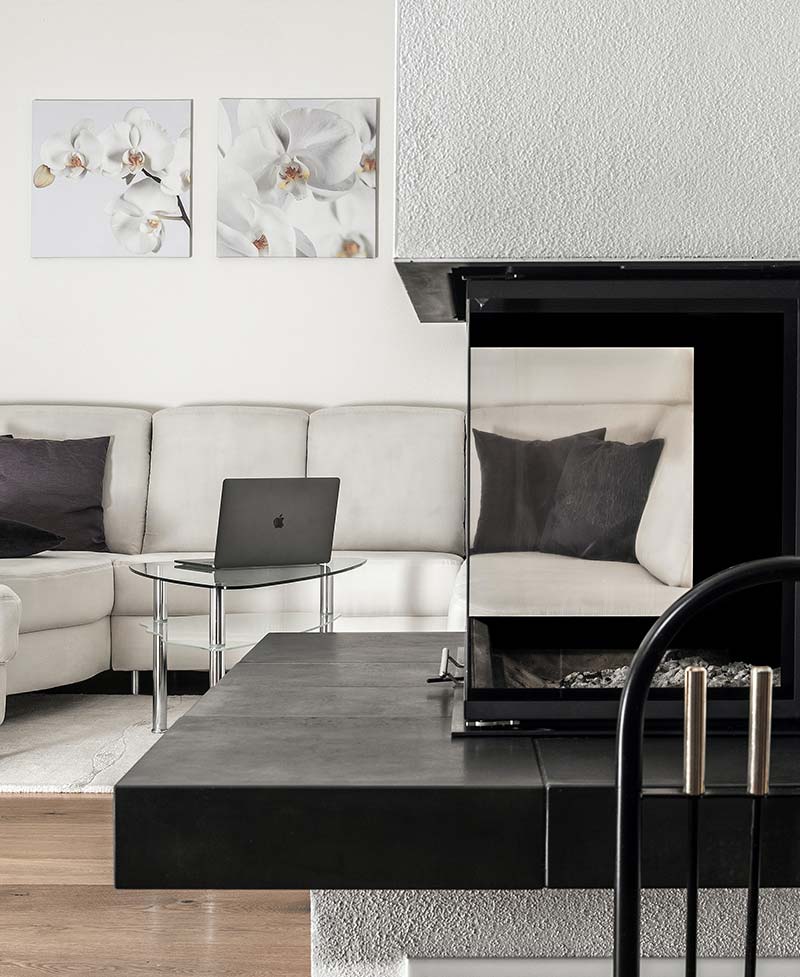

color, style and character
The color of the sofa plays a crucial role in the overall aesthetic of the space. Neutral colors — gray, beige, cream, white, or charcoal — are safe choices that go with almost anything and don't get boring easily. However, if you want to give your living room character, a sofa in deep green, petrol blue, or brick green can become the striking centerpiece of the room. In this case, keep the rest of the furniture and decorations more subtle, so as not to create too much visual noise. Also, think about the style that suits your space and your life — a Scandinavian minimalist sofa with thin legs breathes differently than a heavy Chesterfield with quilted leather.
Don’t forget that your investment in a quality sofa will pay off in years of comfort and aesthetic satisfaction. Instead of replacing cheap sofas every three years, it’s worth choosing something durable and timeless from the start. Ask about warranties, find out about the possibility of replacing covers, and take the time to research. Ultimately, the right sofa is not the one that follows trends, but the one that fits your lifestyle, your space, and your dreams for a home that truly represents you.