How to choose the right bedroom
The bedroom is not just a room with a bed — it is your personal sanctuary, the place where each day begins and ends. It is where you rest, regain your strength, read your book, and leave the day's thoughts behind. That’s why choosing the right bedroom deserves a lot more attention than we usually give it. Many people rush to buy a bedroom set based solely on appearance, without thinking about whether it really serves their needs, whether it fits harmoniously in the space, or whether its materials will stand the test of time. Take some time to understand what you really need before you open your wallet, and the result will reward you every night you fall into bed.
“The bedroom is the one space in the house that exists exclusively for you. It doesn’t have to impress anyone — it just needs to make you feel like you’re back where you truly belong.”
The first and most important step is to properly assess the space you have available. Before you start looking for beds, bedside tables and wardrobes, measure the dimensions of the room accurately. Note where the windows, doors, sockets and radiators are located, because all of these affect the position and size of the furniture. A king-size bed may look dreamy, but if it leaves only thirty centimeters free on the right and left, you will feel like you are sleeping in a warehouse. The goal is to move around freely, open the drawers without obstacles and feel that the space breathes. A bedroom that breathes is a bedroom that calms you.
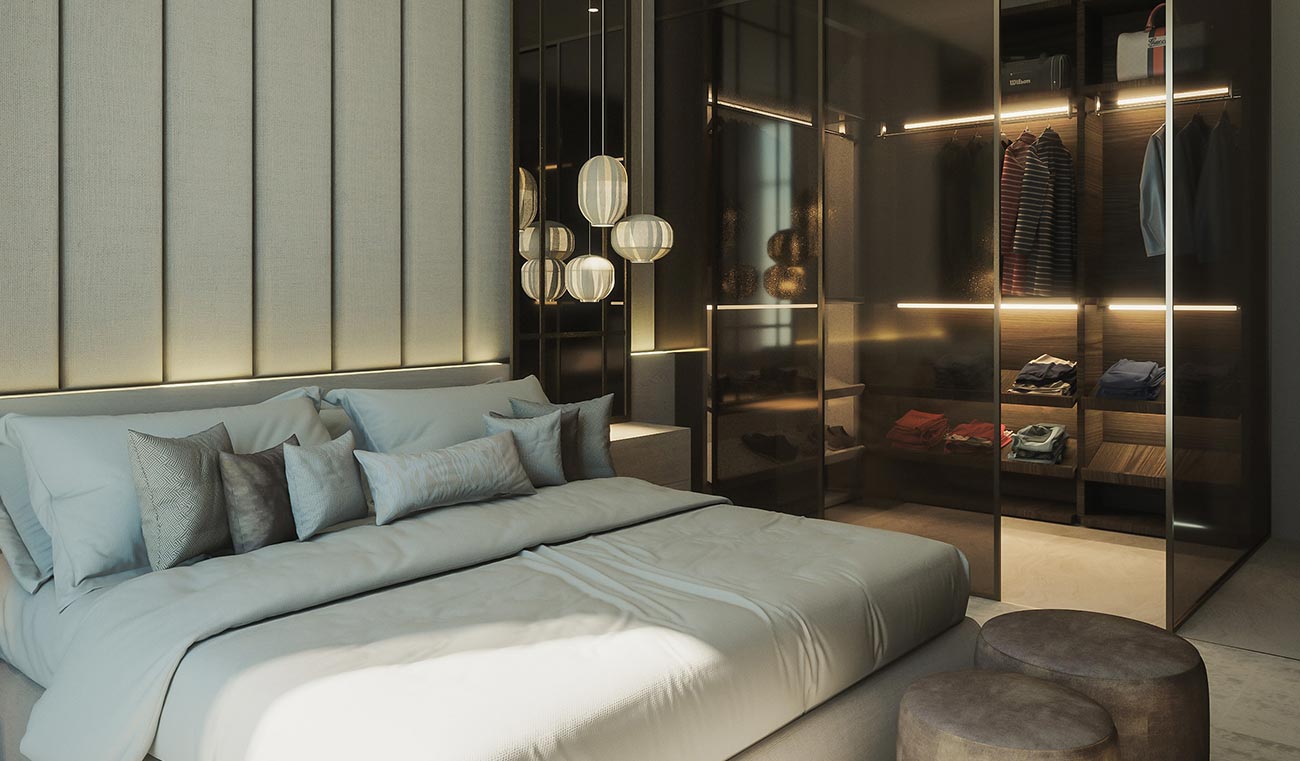
The bed is undoubtedly the star of the room, and its choice should be based on both comfort and sturdiness. The bed frame should be sturdy — solid wood or a high-quality metal frame — so that it doesn’t creak or bend over time. Equally important, if not more important, is the choice of mattress. A bad mattress can ruin your sleep, your back, and your mood, no matter how nice the rest of the bedroom is. Always try the mattress on in the store, lie down for several minutes, and pay attention to whether it supports your spine properly.
the bed as a focal point
The position of the bed determines the entire dynamic of the room. The most classic and functional option is to place the headboard on the largest wall opposite the door, so that you have a sense of control and calm as soon as you enter the room. Avoid placing the bed directly under a window, as drafts and noise can disrupt your sleep. The bedside tables on either side of the bed are not just decorative — they serve everyday needs, from your mobile phone and glass of water to your book and reading lamp. Make sure they match the height of the mattress, so that you can reach out naturally without straining.
storage spaces and wardrobe
The closet is the second biggest bet in the bedroom. A closet that can't hold your clothes will force you to pile things on chairs, on the bed, and in every free corner — and that instantly kills any sense of order and peace. If your space allows, a built-in wardrobe with sliding doors is the ideal solution, because it takes advantage of every inch without requiring space to open doors. Think carefully about the interior design: do you need enough hangers or more shelves? Do you have a lot of shoes that need special space? Do you need drawers for underwear and accessories? The interior design of the wardrobe should reflect your lifestyle, not a general idea of organization.
Finally, don't underestimate the role of lighting, color, and texture in creating a bedroom that truly welcomes you. Warm tones on the walls — soft greige, powder, light tan, or muted green — create a calming atmosphere. Lighting should be layered: a central light for general use, bedside lamps for reading, and perhaps an LED strip behind the headboard for soft, atmospheric light. Textiles — sheets, blankets, pillows — should be made of natural materials like cotton or linen that breathe and provide real comfort. Remember, your bedroom doesn’t have to look like a magazine shoot — it needs to look like your own.